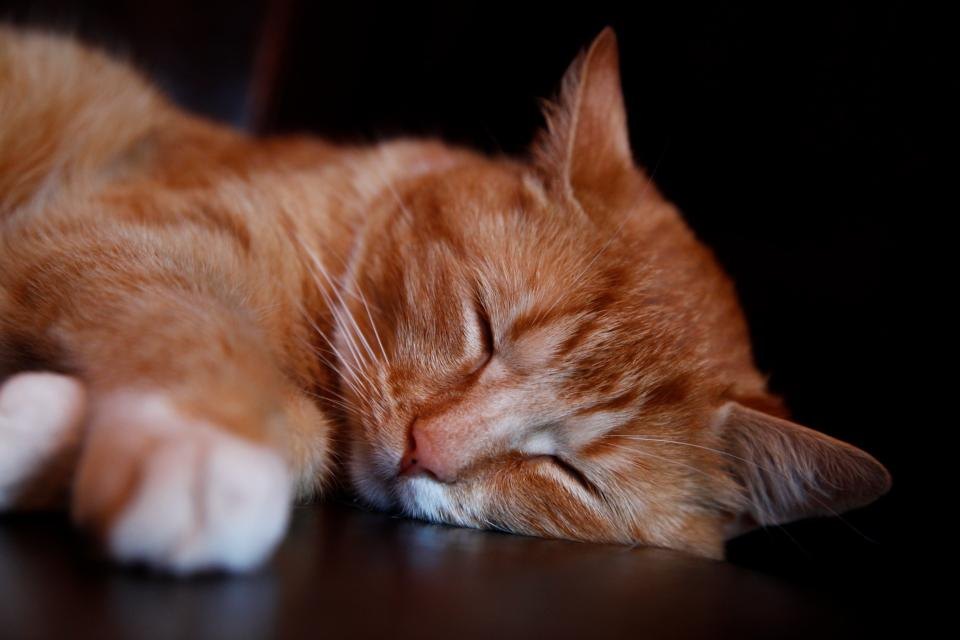
7 Signs Your Cat Is in Pain (and What to Do)
It’s heartbreaking to watch your feline companion struggling, and often, the cause isn’t immediately obvious. Recognizing the signs of pain in cats is crucial for getting them the care they need quickly. Pain in cats can manifest in subtle ways, making it essential to be observant. If you suspect your cat is experiencing discomfort, don’t delay – prompt veterinary attention is key to their comfort and well-being. This guide outlines seven common indicators of pain in cats and provides practical steps you can take.
Identifying pain in cats can be tricky because they’re masters of disguise. Unlike dogs, cats aren’t always outwardly expressive when they’re hurting. However, cats are sensitive creatures, and changes in their behavior can be a strong signal. Understanding these subtle signs and knowing how to respond effectively can significantly improve your cat’s quality of life.
1. Changes in Appetite or Eating Habits
One of the most frequently observed signs of pain in cats is a change in their eating habits. This can manifest in several ways:
- Decreased Appetite: A sudden loss of interest in food, refusing to eat altogether, or eating significantly less than usual can be a major red flag.
- Selective Eating: Your cat might only eat certain foods, or avoid their favorite meals.
- Eating Smaller Amounts More Frequently: A cat who used to eat one large meal might now graze throughout the day.
- Difficulty Eating: If you observe your cat struggling to eat, perhaps with head tilting or pawing at their food, it could indicate pain in their mouth, jaw, or throat.
Pro Tip
Ensure your cat's food bowl is easily accessible and not placed in a stressful location. A quiet, comfortable spot can encourage eating, especially if your cat is already anxious.
2. Altered Sleeping Patterns
Pain often disrupts a cat’s normal sleep schedule. You might notice:
- Sleeping More Than Usual: Increased lethargy and prolonged napping can be a sign that your cat is trying to find a comfortable position to alleviate pain.
- Sleeping in Unusual Positions: A cat in pain may curl up in a tight ball, or seek out positions that minimize pressure on a sensitive area.
- Restlessness: Paradoxically, pain can also cause restlessness and difficulty finding a comfortable sleeping spot.
3. Hiding or Withdrawal
Cats experiencing pain often seek isolation. This behavior is a natural instinct to avoid potential threats and minimize discomfort. Signs to look for include:
- Increased Hiding: Spending more time hiding under furniture, in closets, or other secluded areas.
- Reduced Interaction: Avoiding interaction with you or other family members.
- Decreased Grooming: Pain can suppress a cat’s grooming habits, leading to a matted or unkempt coat.
4. Changes in Litter Box Habits
Pain can significantly impact a cat’s ability to use the litter box. This is a critical sign to investigate immediately.
- Increased Frequency of Urination or Defecation: Painful conditions can cause a cat to feel the urge to eliminate more frequently.
- Straining to Urinate or Defecate: This is a particularly serious sign and requires immediate veterinary attention.
- Changes in Litter Box Location Preference: A cat might suddenly avoid their usual litter box, seeking out a different location.
- Accidents Outside the Litter Box: This can be a sign of distress and should be addressed with a vet to rule out underlying pain.
5. Increased Sensitivity to Touch
Pain can make a cat more sensitive to touch.
- Flinching or Pulling Away: A cat in pain will likely flinch or pull away if you touch them, even gently.
- Hiding When Approached: They may try to avoid being approached or handled.
- Growling or Hissing: While this can also indicate aggression, it’s often a defensive reaction to pain.
6. Changes in Vocalization
While cats are naturally quiet, changes in their vocalizations can signal pain.
- Excessive Meowing: Unusual or increased meowing can be a sign of distress.
- Yelping or Whimpering: These sounds indicate significant pain.
- Increased Vocalization During Routine Activities: For example, a cat who usually purrs while being petted might become vocal when touched in a specific area.
7. Stiff or Limpy Gait
Pain in the joints or muscles can affect a cat’s movement.
- Stiffness: Especially noticeable in the morning after resting.
- Limping: A noticeable change in gait, favoring one leg.
- Hesitation When Jumping: Difficulty jumping or climbing, indicating pain in the joints.
Pro Tip
According to verified buyer reviews of various pain relief supplements, consistent use, in conjunction with veterinary guidance, can often contribute to improved mobility and comfort in cats experiencing joint pain. Proper nutrition, specifically formulated for joint health, is also a crucial component of managing pain conditions.
Important Note: It's crucial to remember that these signs can also indicate other health problems. Always consult with a veterinarian for a proper diagnosis and treatment plan. Early detection and intervention are vital for