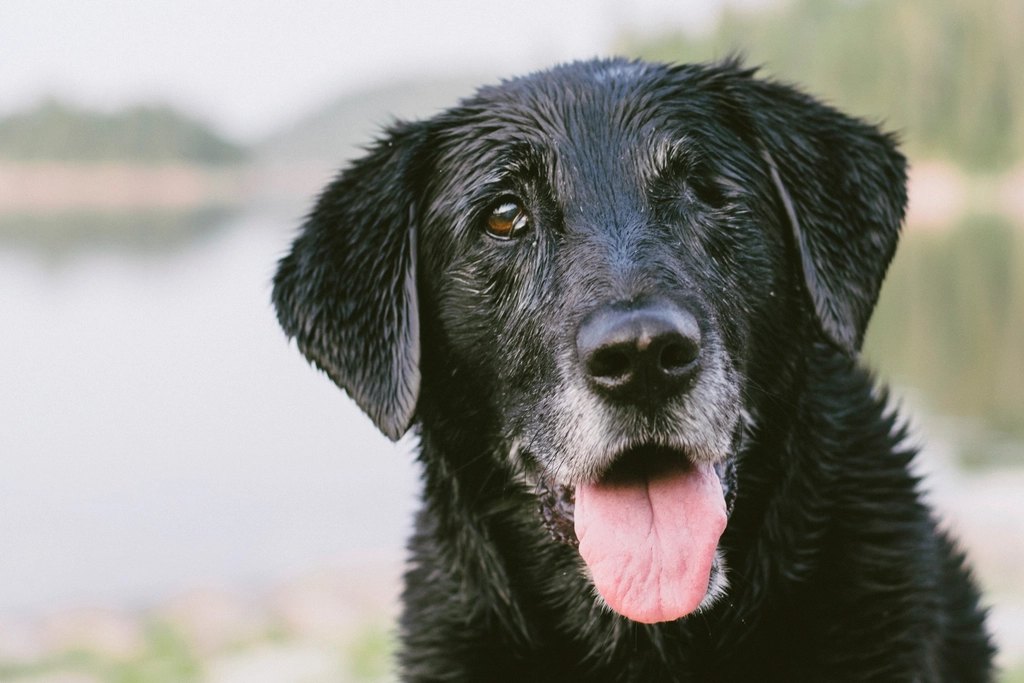
Dog anxiety is more common than most owners realize. Studies suggest up to 70% of dogs show anxiety-related behaviors at some point — but many of these behaviors get misread as disobedience or bad training. Understanding the difference changes everything about how you respond.
Important note
This guide covers behavioral signs and general solutions. If your dog's anxiety is severe, please consult a veterinarian or certified animal behaviorist.
Types of Dog Anxiety
- Separation anxiety: The most common type. Triggered when your dog is left alone.
- Noise anxiety: Thunderstorms, fireworks, loud sounds.
- Social anxiety: Fear of strangers, other dogs, or new environments.
- Generalized anxiety: Persistent nervousness without a clear trigger.
- Situational anxiety: Specific triggers like car rides or vet visits.
Signs of Anxiety in Dogs
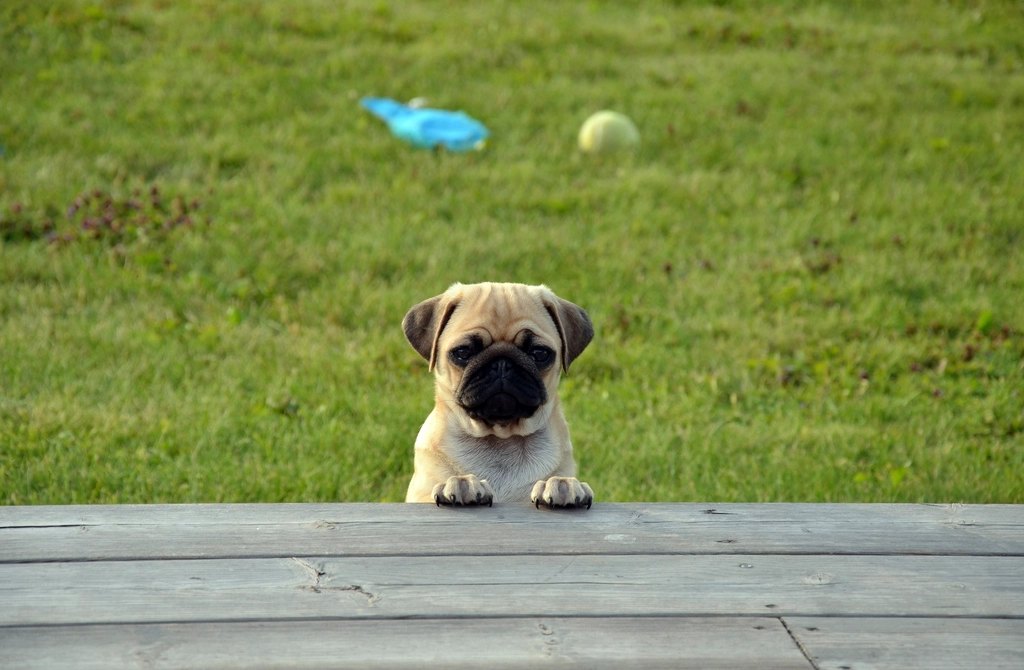
Physical signs
- Panting without physical exertion — often misread as being hot
- Yawning when not tired — a calming signal dogs use when stressed
- Trembling or shaking — obvious in acute fear, subtle in chronic anxiety
- Whale eye — showing the whites of the eyes, indicates discomfort
- Tucked tail — a classic fear signal
- Excessive shedding — stress hormones affect the coat
- Digestive upset — anxiety directly affects gut health
Behavioral signs
- Destructive behavior when alone — chewing furniture, scratching doors
- Excessive barking or howling — especially when left alone
- Escaping or attempting to escape — particularly during storms
- Hiding or seeking constant reassurance
- Loss of appetite — anxiety suppresses hunger
- Aggression — fear-based aggression is the most common type in dogs
Tip: Film your dog when you leave
Many owners don't realize their dog has separation anxiety because they never see it. Set up your phone to record when you leave. If your dog starts distress behaviors within 30 minutes, separation anxiety is likely.
Solutions That Actually Work
1. Exercise first
A tired dog is a calmer dog. Exercise reduces cortisol and boosts serotonin. Aim for 30-45 minutes of meaningful exercise before leaving an anxious dog alone.
2. Consistent daily routine
Unpredictability increases anxiety. Same wake time, same walks, same meals. Anxiety often improves significantly just from adding structure.
3. Desensitization training
Gradually exposing your dog to their trigger at low intensity, paired with positive experiences. For separation anxiety: start with very short absences (5 minutes) and build up slowly over weeks.
4. Safe space
Give your dog a designated calm space — a crate with comfortable bedding, or a quiet room. Never use this space for punishment. It should be associated only with safety and rest.
5. Calming supplements
- L-theanine: Promotes calm without sedation — good evidence base
- Melatonin: Helpful for noise phobias and nighttime anxiety
- Adaptil (DAP): Dog Appeasing Pheromone — works well for some dogs
6. Anxiety wraps
Pressure wraps apply constant gentle pressure, similar to swaddling. About 80% of owners report some improvement, particularly for noise-related anxiety.
7. Veterinarian-prescribed medication
For severe anxiety, vets can prescribe fluoxetine, clomipramine, or situational medications like trazodone. These support behavioral work but don't replace it.