How Often Should You Bathe a Dog?
Determining the right bathing frequency for your dog isn’t a one-size-fits-all answer. Generally, most dogs only need a bath every 6-8 weeks. However, several factors – breed, coat type, activity level, and skin condition – significantly influence how often you should be washing your furry friend. Over-bathing can strip away natural oils, leading to dry skin and irritation. Conversely, infrequent bathing can allow dirt, allergens, and odors to build up. This guide breaks down the key considerations to help you find the sweet spot for your dog's grooming routine.
Understanding your dog’s specific needs is paramount. While some breeds, like Poodles and Bichon Frises with their dense, curly coats, may require more frequent bathing due to matting, others, such as Greyhounds or Labrador Retrievers, naturally shed and need less attention. Let’s dive into the specifics of how to determine the ideal bathing schedule for your canine companion.
Breed and Coat Type: The Foundation of Your Schedule
Your dog’s breed and coat type are arguably the biggest determinants of their bathing frequency.
- Short-Haired Breeds (Labs, Beagles, Boxers): These breeds typically don’t require frequent baths. A good brushing a few times a week is often sufficient. Bathe only when visibly dirty or smelly – usually every 6-12 weeks.
- Medium-Haired Breeds (Golden Retrievers, German Shepherds): These dogs benefit from baths every 8-12 weeks. Regular brushing is crucial to manage shedding and prevent matting.
- Long-Haired Breeds (Collies, Shih Tzus, Maltese): These breeds are prone to matting, so more frequent bathing – every 4-6 weeks – is often necessary. Dedicated brushing and combing are absolutely vital to prevent tangles.
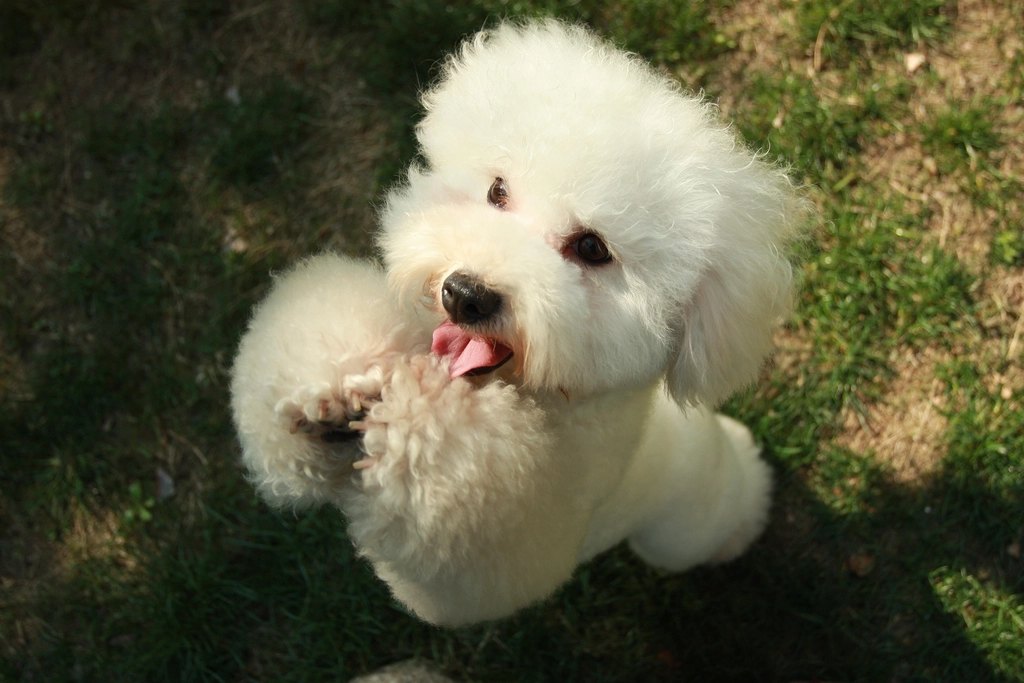
- Curly-Coated Breeds (Poodles, Bichon Frises): The inherent curl of their coats makes them highly susceptible to matting. Bathing every 4-8 weeks is generally recommended, combined with daily brushing to maintain coat health.
- Wire-Haired Breeds (Terriers): These breeds require regular stripping (a specialized grooming technique) or hand-stripping to maintain their coat’s texture. Bathing is typically needed every 4-6 weeks, but this should always be done in conjunction with professional grooming.
Activity Level & Environmental Exposure
A dog’s activity level and exposure to dirt, mud, and other environmental contaminants also play a crucial role.
- Active Dogs: Dogs who spend a lot of time outdoors, playing, hiking, or swimming will naturally get dirtier and require more frequent baths – potentially every 4-6 weeks.
- Muddy Adventures: After a particularly muddy walk or play session, a quick rinse with a damp cloth or a targeted bath can be beneficial, even if it's not time for a full bath.
- Urban Environments: Dogs living in cities may encounter more pollutants and allergens, requiring slightly more frequent bathing to maintain skin health.
Skin Condition & Allergies
A dog’s skin health is a key factor to consider.
- Sensitive Skin: Dogs with sensitive skin or allergies may require less frequent bathing to avoid irritating their skin. Using a gentle, hypoallergenic shampoo is essential.
- Skin Conditions (Dermatitis, Yeast Infections): If your dog has a diagnosed skin condition, your veterinarian will provide specific bathing instructions. Typically, medicated shampoos are prescribed and used according to their guidance.
- Owners consistently report that moisturizing after bathing is beneficial for maintaining skin hydration, especially in dogs prone to dryness.
The Importance of Dry Brushing & Regular Grooming
Bathing is just one part of a dog’s grooming routine. Dry brushing is a highly effective method for removing loose hair, dirt, and debris without stripping the coat of its natural oils.
- Frequency: Dry brush your dog 2-3 times per week, depending on their coat type.
- Benefits: Dry brushing stimulates the skin, distributes natural oils, and helps prevent matting.
- Combination: Dry brushing is often recommended *before* bathing to loosen dirt and debris, making the bathing process more effective.
Tip
Pro Tip: Invest in a good quality rubber curry brush or grooming mitt designed for your dog’s coat type. These tools can significantly improve the effectiveness of dry brushing and make the process more comfortable for your dog.
Shampoo Selection: Choosing the Right Formula
The type of shampoo you use can have a significant impact on your dog’s skin and coat.
- Human Shampoo: *Never* use human shampoo on your dog. The pH levels are different and can disrupt your dog’s skin’s natural balance, leading to dryness and irritation.
- Dog-Specific Shampoos: Choose a shampoo formulated specifically for dogs. Options include:
* Hypoallergenic Shampoos: For sensitive skin.
* Medicated Shampoos: For skin conditions (as prescribed by a veterinarian).
* Odor-Control Shampoos: For dogs prone to smelling.
- Ingredient Analysis: Look for shampoos with natural ingredients like aloe vera or oatmeal, which can soothe and moisturize the skin. Avoid shampoos with harsh chemicals, sulfates, and parabens.
Remember, maintaining your dog’s coat and skin health is an ongoing process. Observing your dog's individual needs and adjusting your grooming routine accordingly will
Recommended gear
See our honest picks: Best Dog Harnesses for Small Dogs (2026).