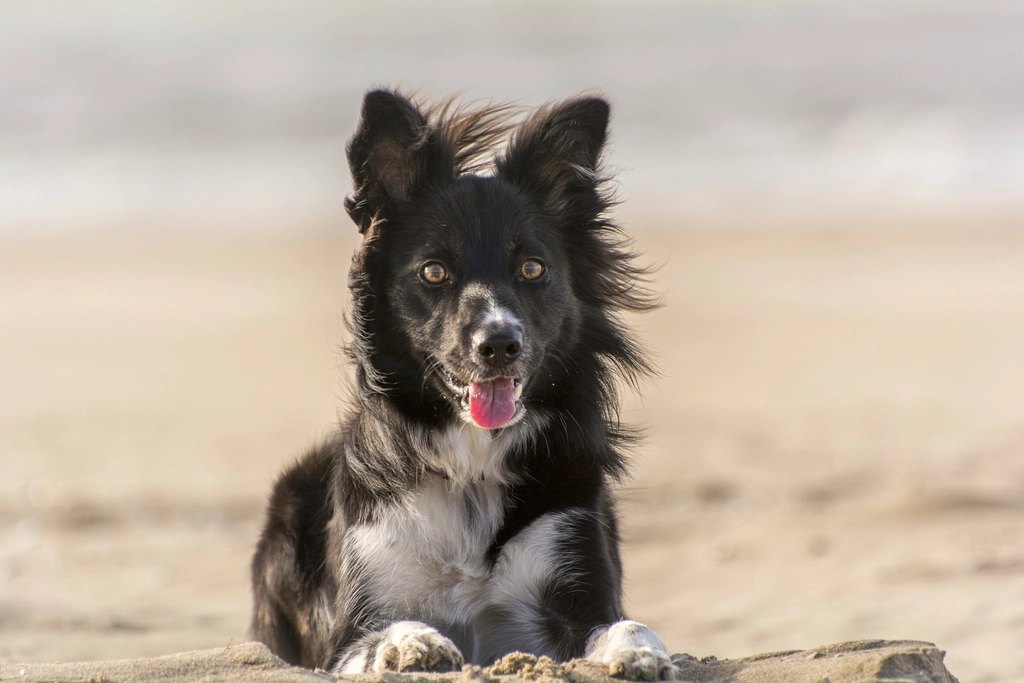
Small dogs often exhibit pickier eating habits than their larger counterparts due to a combination of physiological, behavioral, and environmental factors. Their compact size means they require fewer calories overall, making them more sensitive to subtle changes in food palatability or feeling full quickly. Additionally, many small breeds have fast metabolisms and can become hypoglycemic if they go too long without eating, further complicating feeding routines.
Understanding these underlying reasons is the first step to addressing a small dog's selective appetite. It's not always about being "stubborn"; often, there's a genuine reason behind their reluctance to eat. Identifying the root cause allows owners to implement targeted strategies, from adjusting mealtime routines to exploring different food options, ultimately ensuring their small companion receives adequate nutrition.
Medical Issues Can Affect Appetite
A sudden or persistent change in a small dog's eating habits can be a sign of an underlying health problem. Because of their small size, even minor ailments can significantly impact their appetite and energy levels. Dental pain, for instance, is a common culprit; a painful tooth or gum inflammation can make chewing uncomfortable, leading a dog to refuse even their favorite food. Digestive upset, such as nausea, acid reflux, or pancreatitis, can also cause a dog to turn away from food.
Other conditions like kidney disease, liver issues, or even certain infections can diminish appetite. If your small dog suddenly becomes picky, or their pickiness is accompanied by other symptoms like lethargy, vomiting, diarrhea, or weight loss, a veterinary check-up is crucial. A veterinarian can diagnose any medical issues and recommend appropriate treatment, which often resolves the eating problem.
Overfeeding and Too Many Treats
Small dogs have tiny stomachs and significantly lower caloric needs compared to medium or large breeds. It's easy to overestimate how much food they truly require. If a small dog is consistently offered too much food at mealtime, they may eat a little and then walk away, not because they dislike the food, but because they are genuinely full.
Similarly, an abundance of treats throughout the day can sabotage a small dog's appetite for their main meals. Treats, even small ones, add up quickly for a dog with low caloric requirements. They can fill a dog up or spoil their appetite for their regular, more nutritionally balanced food. Owners should be mindful of portion sizes for both meals and treats, ensuring that the majority of their dog's daily calories come from a complete and balanced diet. Using treats sparingly and strategically, perhaps for training or enrichment, can help maintain a healthy appetite for meals.
Food Texture, Temperature, or Bowl Preference
Small dogs can be surprisingly particular about the sensory experience of eating. The texture of their food, for example, can be a major factor. Some small breeds may struggle with large kibble pieces due to their smaller mouths and delicate teeth, preferring smaller kibble, paté-style wet food, or gently cooked options.
Temperature can also play a role; some dogs may prefer their wet food slightly warmed to enhance its aroma and palatability, while others might turn their nose up at food that's too cold directly from the refrigerator. Even the food bowl itself can influence a small dog's willingness to eat. Some small dogs dislike deep bowls that require them to bury their faces, or bowls that are too noisy or reflective. Using a shallow, wide bowl made of ceramic or stainless steel can sometimes make mealtime more comfortable for them.
Pro Tip
For small dogs that are hesitant to eat, try adding a tiny amount of low-sodium chicken or bone broth, or a small dollop of plain pumpkin puree (not pie filling) to their regular food. These can enhance flavor and moisture without adding excessive calories.
Stress or Environmental Factors
Small dogs can be highly sensitive to their environment, and stress or anxiety can directly impact their appetite. Changes in routine, a new pet or family member, loud noises, or even feeling unsafe during mealtime can cause a small dog to become reluctant to eat. They might associate the stressor with their food or simply be too anxious to focus on eating.
Consider the mealtime environment: Is it quiet and calm? Is their food bowl in a safe, secluded spot where they won't be disturbed by children, other pets, or household traffic? Ensuring a peaceful and consistent feeding routine can help reduce anxiety and encourage a better appetite. Sometimes, simply moving the food bowl to a different, more private location can make a significant difference. The right gear, like a comfortable feeding station, can contribute to a positive mealtime experience.
Boredom or Palate Fatigue
Just like humans, some small dogs can get bored with eating the same food day in and day out, especially if they are offered highly varied human foods or treats frequently. While a consistent diet is generally recommended for digestive health, some small dogs may occasionally benefit from a change to a different protein source or food formula if their pickiness is due to boredom.
However, it's important to approach this carefully to avoid creating an even pickier eater. Instead of constantly switching foods, try rotating between two or three high-quality small-breed specific formulas that are complete and balanced. Alternatively, incorporating safe, dog-friendly food toppers or mixing in a small amount of wet food with their dry kibble can add novelty and enhance appeal without a complete diet overhaul. Based on published specifications, many premium small-breed formulas are designed with higher palatability to cater to their discerning tastes.
Recommended gear
See our honest picks: Best Wet Dog Food for Small Breeds (2026).