The most common question new dog owners ask is also one of the most important. Get feeding wrong and you're looking at an obese dog, a malnourished dog, or a confused pet who never knows when their next meal is. Here are concrete numbers.
Note
These are general guidelines. Calories in dog food vary significantly by brand. Always check the feeding chart on your specific food's packaging and consult your veterinarian.
Daily Feeding Chart by Weight — Adult Dogs
Based on standard dry kibble at approximately 350-400 kcal per cup. Adjust up 20% for very active dogs, down 20% for sedentary or overweight dogs.
| Dog Weight | Daily Food | Meals/Day | Per Meal |
|---|---|---|---|
| 5 lbs (2.3 kg) | 1/2 cup | 2 | 1/4 cup |
| 10 lbs (4.5 kg) | 3/4 cup | 2 | 3/8 cup |
| 20 lbs (9 kg) | 1 1/4 cups | 2 | 5/8 cup |
| 30 lbs (13.6 kg) | 1 3/4 cups | 2 | 7/8 cup |
| 40 lbs (18 kg) | 2 1/4 cups | 2 | 1 1/8 cups |
| 60 lbs (27 kg) | 3 cups | 2 | 1 1/2 cups |
| 80 lbs (36 kg) | 3 2/3 cups | 2 | ~1 3/4 cups |
| 100 lbs (45 kg) | 4 1/4 cups | 2 | ~2 1/8 cups |
Puppy Feeding Chart by Age
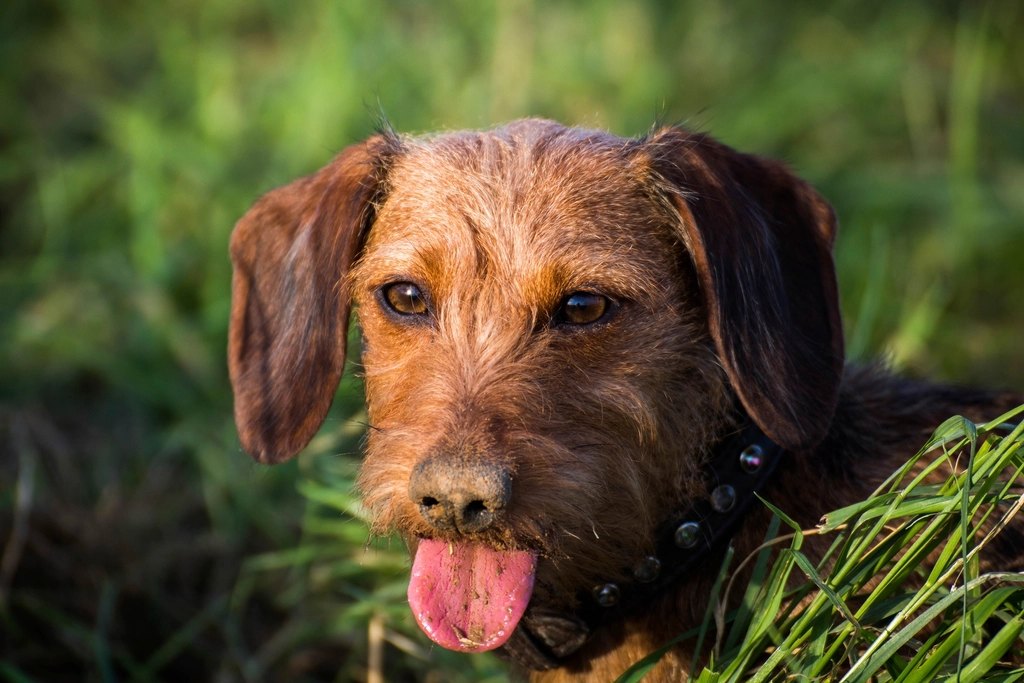
Puppies need more calories per pound and more frequent meals to prevent low blood sugar.
| Puppy Age | Meals/Day | Notes |
|---|---|---|
| 6-12 weeks | 4 meals | Puppy-specific food only |
| 3-6 months | 3-4 meals | High-protein puppy formula |
| 6-12 months | 2-3 meals | Transition to adult food at 12 months |
| Small breed puppy | 3 meals | Higher metabolism than large breeds |
| Large breed puppy | 2-3 meals | Use large breed puppy formula |
Senior Dog Feeding (7+ Years)
Senior dogs typically need 20-30% fewer calories but more protein to maintain muscle mass.
- Reduce calories: Switch to a senior formula or reduce portions by 15-20%
- More frequent, smaller meals: 2-3 meals per day aids digestion
- Watch for weight loss: Some seniors lose appetite — this needs vet attention
- Joint supplements: Many senior formulas include glucosamine — worth prioritizing
The Rib Test — Know If You're Feeding Right
How to check your dog's weight
Run your fingers along your dog's ribs. You should feel them easily without pressing hard, but not see them prominently from a distance. Looking from above, your dog should have a visible waist. No visible waist and you can't feel ribs = overweight.
How Often to Feed Your Dog
Adult dogs: Twice daily, roughly 12 hours apart. Morning and evening works for most households.
Puppies: 3-4 times daily until 6 months, then transition to twice daily.
Senior dogs: 2-3 smaller meals spread through the day aids digestion.
Avoid once-daily feeding for large breeds — it increases the risk of bloat (GDV), a life-threatening condition.